


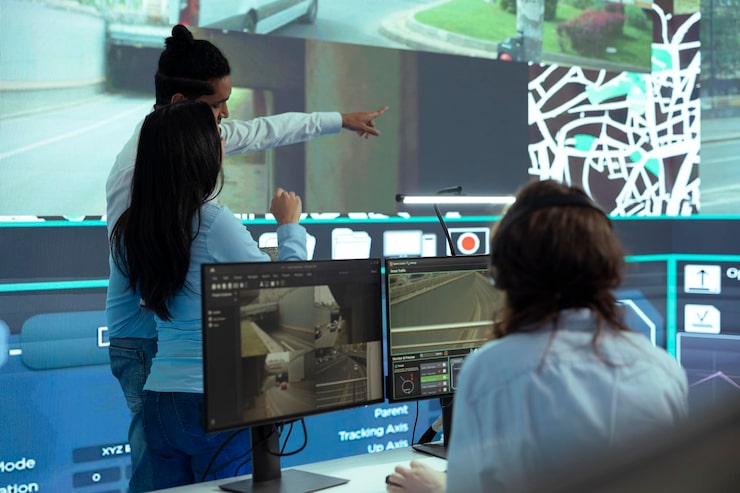
In the rapidly advancing world of technology, video processing and data acquisition systems (DAQ) have become essential tools for collecting, analyzing, and interpreting real-world data. From law enforcement and transportation to scientific research and manufacturing, modern industries rely heavily on accurate and intelligent data acquisition.
By integrating smart video processing into these systems, organizations can transform how they capture and utilize data — achieving faster, more precise, and more insightful outcomes. Let’s explore how this combination is shaping the future of data-driven innovation.
What Is a Data Acquisition System (DAQ)?
A data acquisition system is a framework used to collect and convert real-world signals — such as temperature, pressure, sound, or visual inputs — into digital data that computers can analyze. These systems typically consist of:
- Sensors and transducers that measure physical phenomena
- Signal conditioning hardware that prepares the signals for conversion
- Analog-to-digital converters (ADCs) that digitize data
- Software that processes, stores, and analyzes the information
In traditional setups, DAQ systems were limited to numerical and analog data. However, with the rise of digital cameras and visual sensors, video has become a crucial data source, enabling a more comprehensive understanding of real-time events.
Understanding Video Processing in Modern Systems
Video processing refers to the analysis and manipulation of video streams to extract meaningful information. In modern DAQ environments, video processing involves:
- Capturing high-resolution video feeds from cameras or sensors
- Analyzing visual data in real time using algorithms or AI models
- Identifying patterns, movements, or anomalies in the footage
- Integrating processed video data into overall system analytics
Smart video processing goes beyond basic recording — it applies machine learning, object recognition, and data correlation to provide actionable insights.
For instance, a security application might use video processing to automatically detect suspicious behavior, while a manufacturing DAQ system can monitor equipment performance visually, identifying early signs of malfunction.
The Role of Smart Video Processing in Data Acquisition
The integration of smart video processing transforms a standard data acquisition system into a dynamic, intelligent ecosystem. Here’s how it enhances efficiency and performance:
1. Real-Time Monitoring and Analysis
Traditional DAQ systems collect data passively and process it after acquisition. Smart video processing, however, enables real-time data interpretation. Video analytics can identify changes, movements, or events as they occur, allowing immediate responses.
Example: In traffic monitoring, video-based DAQ systems can detect congestion patterns and adjust signal timings automatically to reduce delays.
2. Enhanced Data Accuracy
Video data provides contextual information that other sensors may miss. By combining video inputs with numerical data, operators gain a more complete and accurate picture.
For example, in industrial automation, while temperature or vibration sensors provide critical numbers, video analysis visually confirms machine status, ensuring data reliability.
3. Automation Through Artificial Intelligence
AI-driven video processing introduces predictive analytics and automation capabilities. Deep learning models can identify objects, detect patterns, and make decisions based on visual cues.
In law enforcement or surveillance applications, smart video processing can recognize license plates, faces, or unusual behaviors — automating tasks that once required manual monitoring.
4. Efficient Data Storage and Retrieval
Modern video processing uses techniques like edge computing and event-based recording to store only relevant footage. Instead of capturing endless hours of video, the system focuses on events that matter — reducing storage costs and simplifying analysis.
Applications Across Different Industries
Smart video processing integrated with data acquisition systems has applications across a wide range of sectors. Let’s explore a few real-world examples:
1. Law Enforcement and Public Safety
Companies like Daetech Systems specialize in forensic video analysis and evidence management. Here, smart video processing helps law enforcement agencies acquire, analyze, and authenticate visual evidence accurately.
Video-based DAQ systems can reconstruct incidents, identify suspects, and provide reliable data for investigations — ensuring evidence integrity and faster case resolutions.
2. Automotive and Transportation
In the automotive industry, video processing enhances driver assistance systems (ADAS) and traffic data acquisition. Cameras collect continuous streams of data that help in:
- Detecting lane departures
- Identifying pedestrians and vehicles
- Monitoring traffic flow in smart cities
The data gathered supports safer roads and the development of autonomous driving technologies.
3. Manufacturing and Industrial Automation
Factories use smart video-integrated DAQ systems to monitor production lines. Video analytics detect product defects, verify assembly processes, and monitor machinery in real time. This leads to reduced downtime, better quality control, and improved safety.
4. Healthcare and Research
In biomedical research and diagnostics, video processing plays a crucial role in capturing and analyzing microscopic imagery, surgical footage, or physiological signals. When integrated with DAQ systems, it enhances precision and data reliability in life-saving applications.
5. Environmental and Scientific Monitoring
From weather stations to wildlife studies, video-based data acquisition systems collect rich visual data that supports environmental decision-making. For example, automated video analytics can monitor animal behavior or track environmental changes over time.
Advantages of Integrating Video Processing with DAQ Systems

Combining video processing and data acquisition systems provides numerous advantages, including:
- Comprehensive Data Insight – Enables understanding of both numerical and visual data for holistic analysis.
- Faster Decision-Making – Real-time video analytics allow immediate actions based on live events.
- Higher Accuracy – Visual verification reduces errors and misinterpretation of sensor data.
- Automation & Efficiency – Smart systems can operate with minimal human supervision.
- Scalability – Easily integrates with IoT networks and cloud-based platforms for large-scale deployments.
Challenges and Future Trends
While the benefits are significant, integrating video processing into DAQ systems comes with challenges:
- Data Overload – High-resolution video generates massive amounts of data, requiring efficient storage and processing solutions.
- Latency Issues – Real-time video analytics demand powerful computing infrastructure.
- Security & Privacy – Handling visual data must comply with strict privacy standards and data protection laws.
Future Outlook
The future of smart video processing in DAQ systems lies in AI edge computing, 5G networks, and cloud-based analytics. These technologies will:
- Reduce latency
- Enable real-time global access
- Support scalable data fusion across multiple sources
As industries adopt smarter, automated systems, video-driven data acquisition will become the backbone of digital transformation.
Conclusion
The integration of video processing within data acquisition systems represents a powerful evolution in how we capture, analyze, and apply data. This combination delivers not just numbers, but a visual understanding of the environment — leading to smarter, faster, and more informed decision-making.
Organizations like Daetech Systems are at the forefront of this innovation, developing advanced solutions that enhance accuracy, efficiency, and intelligence across multiple sectors.
